
As Debra, a mom always looking for ways to foster a healthier and better life for my family, I often think about the safety and well-being of my loved ones. We strive for green alternatives in our cosmetic recipes and make conscious choices about what we consume. However, a truly healthy life also means living with peace of mind. It means knowing that those closest to us are safe, especially as they grow older or if they face unique challenges.
I know the feeling of wanting to be there for everyone, all the time. But that is simply not always possible. Life keeps us busy and sometimes our loved ones live far away. This is where modern solutions can really make a difference. We can find ways to extend our care beyond what one person can do alone.
I have explored many topics on this blog, from personal fitness to managing finances and even the care of our beloved pets. Today, I want to discuss an important tool that supports this desire for security. We can use advanced systems to help Protect Your Loved Ones with Round the Clock Monitoring. This technology helps ensure their safety and independence.
Understanding the Need for Constant Care
Our elders deserve to live with dignity and autonomy for as long as possible. They have given so much to us, and it is our turn to provide them with comfort and security. However, I often hear concerns from friends and family about common risks like falls, unexpected medical emergencies, or even simply feeling lonely and isolated.
It is important to acknowledge that accidents can happen at any moment. A sudden health event like a stroke or a severe fall can leave a person unable to call for help. When someone lives alone, these situations become even more serious. Every minute counts during a crisis, and a delayed response can have dire consequences.
Beyond emergencies, a constant sense of connection helps overall well-being. Knowing someone is watching out for them can ease the anxiety for both the elder and their family. I believe this kind of support is fundamental to a truly healthy lifestyle.
Recognizing the Signs When Help is Needed
Sometimes, the need for increased support becomes clear through subtle changes. A loved one might start forgetting appointments or medications. They might show a decrease in mobility or seem more withdrawn than usual. These are all indicators that their current living situation might need some extra attention.
I always advise my friends to trust their gut feelings. If something feels off, it probably is. Pay attention to how often you hear from them and if they seem to be struggling with daily tasks. An early intervention can prevent more serious problems down the road. It keeps everyone safer.
The Foundations of Round the Clock Monitoring
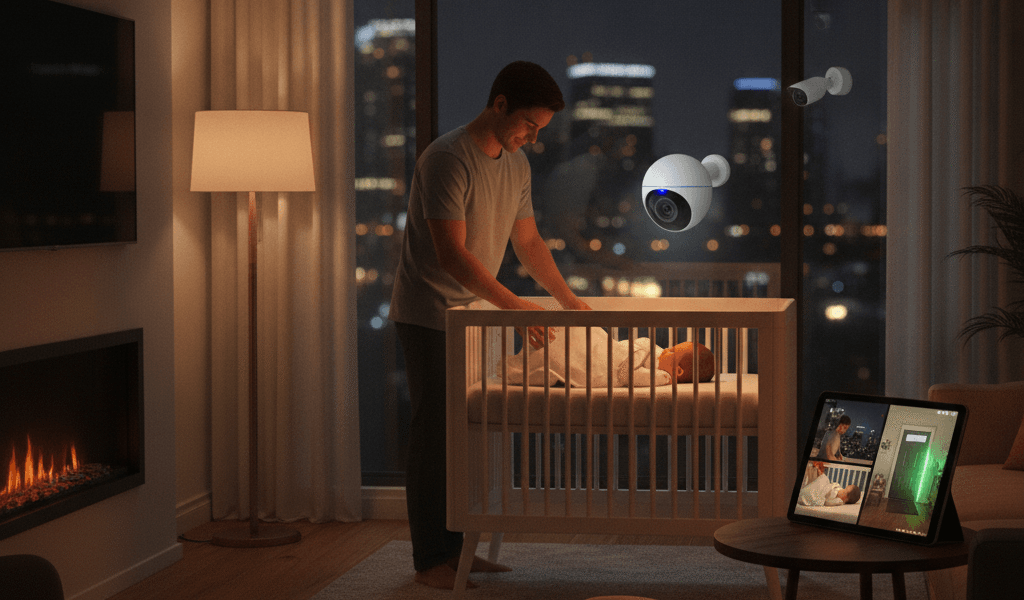
Round the clock monitoring is not about invading privacy. It is about providing a safety net. This kind of monitoring uses technology to keep an eye on a loved one’s well-being and home environment continuously. It gives families crucial insights and ensures that help is dispatched quickly if needed. This system creates a sense of watchful care.
Many systems are available today. Some focus on personal health, and others on home security. We can choose the right combination based on individual needs and living arrangements. The key is to find a solution that integrates seamlessly into their daily life without being intrusive. This promotes acceptance and regular use.
I know some people worry about technology being too complicated for elders. However, many modern monitoring systems are designed with simplicity in mind. They offer straightforward interfaces and often require minimal interaction from the user. This makes them accessible for people of all tech skill levels.
Key Features of Modern Monitoring Systems
When I research different options, I look for systems that offer a range of features. These can include wearable alert devices, which allow a loved one to press a button for help. They can also include motion sensors that detect unusual inactivity or a fall.
Some systems offer smart home integration. This allows for automated lighting or temperature control. This can improve comfort and safety. There are also medication reminders built into some devices. This ensures that daily doses are not missed. This holistic approach to monitoring addresses many aspects of daily living.
Another valuable feature is GPS tracking for those who might wander. This offers a layer of protection for individuals with cognitive decline. The goal is to provide comprehensive support. It also aims to maintain independence while minimizing risk. That is a balance we all strive for.
Peace of Mind for Families and Caregivers
For me, one of the biggest benefits of round the clock monitoring is the peace of mind it offers to families. I have seen firsthand how much worry can weigh on a caregiver. They constantly wonder if their loved one is okay. This constant anxiety can take a toll on their own health and well-being.
With a reliable monitoring system in place, I believe families can breathe a little easier. They know that if something happens, they will be notified right away. This allows them to focus on their own lives and responsibilities. They also know they are providing the best possible care for their loved ones. It is a win-win situation for everyone involved.
I have learned that support systems are important for caregivers too. Technologies that ease their burden are vital. They help prevent burnout and maintain a healthy family dynamic. Monitoring solutions provide this support in a very practical way. It is a tool for better family health.
Reducing Stress and Enhancing Daily Life
The reduction in stress is not just for the caregivers. It is also for the loved ones being monitored. They often feel a sense of relief knowing that help is always just a button press away. This security can empower them to engage more actively in their daily lives. They might feel more confident doing things they love.
Imagine the freedom of knowing someone is looking out for you. You can take a walk, enjoy your garden, or simply relax at home. This without the constant fear of being alone in an emergency. This freedom contributes greatly to a person’s quality of life. It supports mental and emotional health. This is a topic I always advocate for.
Customizing Monitoring Solutions for Specific Needs
Every individual and every family is different. So, the approach to round the clock monitoring should be flexible and adaptable. There is no single solution that works for everyone. I always suggest taking the time to assess specific needs before deciding on a system. This ensures the best fit.
For example, a very active elder might benefit from a discreet wearable device with fall detection. Someone with memory challenges might need more passive sensors in the home. They might also need systems that offer medication reminders. Understanding these individual nuances is the first step toward effective monitoring.
I believe in green alternatives and sustainable choices, and that applies to technology too. Consider systems with long battery lives or energy-efficient components. Choose products from companies that value user-friendly design and responsible manufacturing. This aligns with a holistic approach to a better life.
Personalized Care Plans and Technology Integration
Working with a monitoring provider to create a personalized care plan is extremely helpful. This plan should outline who to contact during an emergency. It should also detail specific preferences for daily routines. A good plan considers all aspects of their life.
I often advise integrating new technology carefully. Introduce new devices slowly. Allow your loved one time to get comfortable with them. Provide clear and patient explanations. Make sure they understand how to use the system. This approach minimizes frustration and maximizes adoption. This leads to long-term success with the monitoring system. We want tools that genuinely help them.
The Evolution of Safety Technology for Seniors
Safety technology has come a long way from simple panic buttons. Today’s systems are more intelligent, more integrated, and far less intrusive. I have seen the advancements over the years. These innovations are making it easier for families to provide care. They also help seniors maintain their cherished independence.
Newer devices can learn routines. They can send alerts if a routine is broken. For example, if someone does not get out of bed by their usual time. This proactive approach is a game-changer. It means emergencies can be detected even before a person can ask for help. This is truly round the clock protection.
Looking ahead, I believe we will see even more seamless integration of these technologies into everyday items. Imagine smart homes that anticipate needs. Homes that detect subtle health changes through ambient sensors. This future promises even greater safety and comfort for our aging population. It will enhance their quality of life.
Connecting Devices for a Comprehensive View
Many modern monitoring systems allow various devices to connect and share data. This creates a comprehensive picture of a loved one’s well-being. A smart doorbell can alert you to visitors. A smart thermostat can ensure comfort and safety from extreme temperatures. These small integrations add up to significant protection.
This connected approach means that family members can receive updates on their phones or computers. They can check in from anywhere. This kind of access is invaluable for busy families. It provides reassurance throughout the day. This is one of the many benefits of 24/7 monitoring that truly stands out. It helps us feel present even when we are physically absent.
Choosing the Right Monitoring Partner
Selecting a monitoring service is a big decision. It involves trust and a deep understanding of your family’s needs. I always recommend doing thorough research. Look for companies with a strong reputation. Check for excellent customer service and transparent pricing. You want a partner who values your loved one as much as you do.
Start by reading reviews. Talk to other families who use similar services. Ask detailed questions about their response times. Inquire about how they handle different types of emergencies. A good provider will be happy to answer all your concerns. They will offer clear explanations about their technology. They will explain their support staff.
Questions to Ask Potential Providers
When you are talking to monitoring companies, prepare a list of questions. I always suggest asking about the installation process. Find out what kind of technical support they offer. Ask about contract lengths and cancellation policies. It is important to know all the details upfront.
Also, ask about the training of their monitoring staff. Are they certified in emergency response? What is their protocol for false alarms? How do they communicate with family members during an incident? These questions will help you choose wisely. They will make you feel confident in your choice.
Conclusion: Empowering Loved Ones with Constant Care
As I reflect on our quest for a better and healthier life, it is clear that protecting our loved ones is a fundamental part of that journey. Implementing round the clock monitoring is a powerful way to achieve this. It offers a vital safety net, extending our care beyond our physical presence. This technology empowers our elders to live independently with dignity, knowing that help is always available if they need it. It reduces anxiety for both them and for us, their devoted family members. We can all focus on living our fullest lives, secure in the knowledge that a watchful eye is always present. The advancements in smart home technology and personal alert systems are truly remarkable. They make sophisticated care accessible and user-friendly. I believe that integrating these solutions into our family care plans is a responsible and loving choice. This commitment to continuous safety fosters a healthier and more peaceful environment for everyone. Consider how 24/7 monitoring can enhance the safety and independence of your cherished family members. It is a decision that brings profound peace of mind and strengthens the bonds of care within your family.